
“Today we are experiencing a climate crisis, and those most affected are vulnerable groups, especially children and young people. However, these groups also can become initiators. This premise is what makes us Child Campaigners choose to respond to this climate crisis by conducting a campaign,” said Doni (23), Child Campaigner Bali Save the Children Indonesia.
Since 2022, Save the Children Indonesia has been implementing the Aksi Generasi Iklim (Generation Hope) campaign to raise awareness of the impact of the climate crisis on children’s lives. Entering its third year, this campaign is becoming more active, alongside the growing impact of the climate crisis on children. In response to this, in August 2024, the campaign held a National Rally Campaign in eight provinces: Jakarta, West Java, Yogyakarta, East Java, Makassar, Palu, Bali, and Sumba. Various creative activities were presented to arouse public concern for the climate crisis in each region.
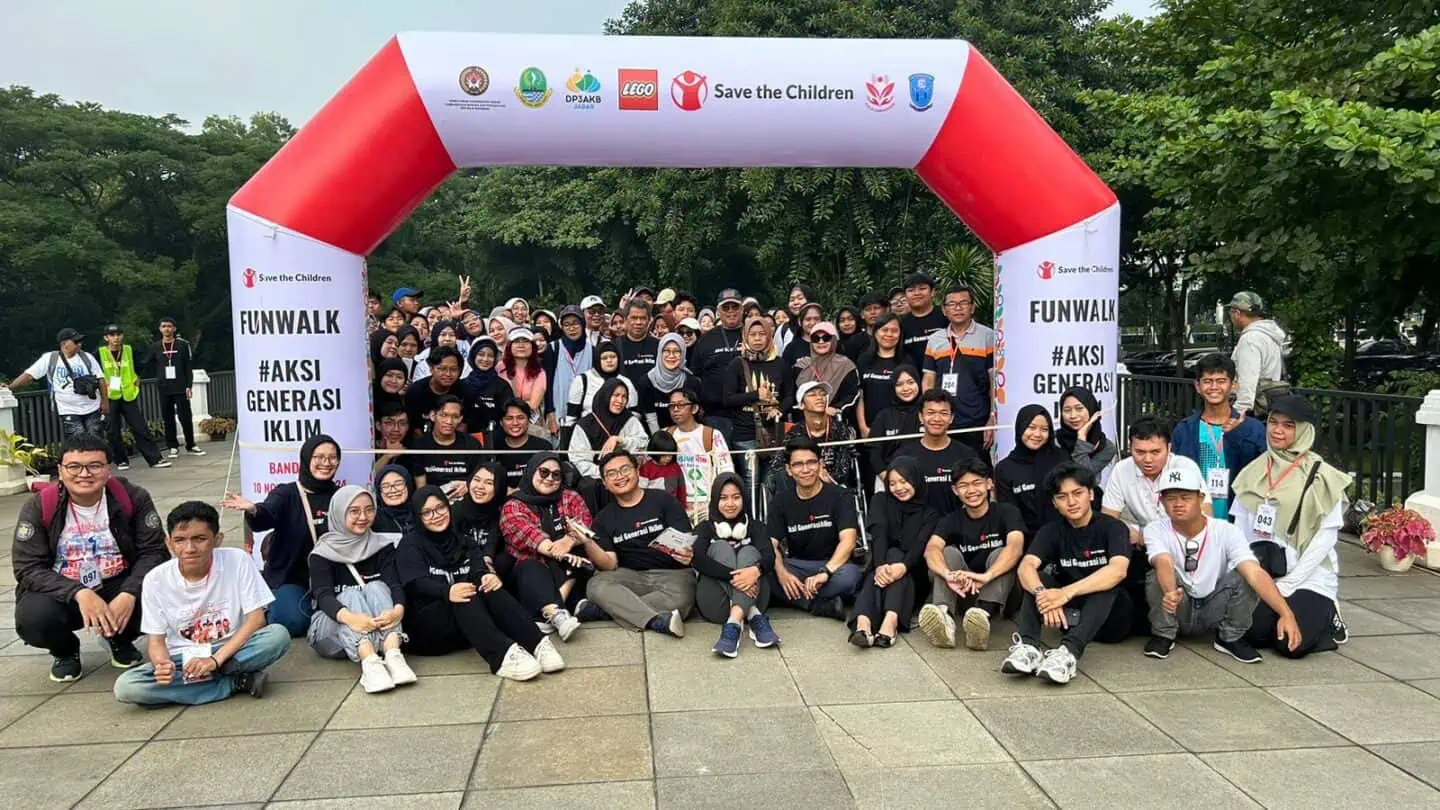
The National Rally Campaign raised various environmental issues with relevant approaches for each region. In Bali and Yogyakarta, the clean water crisis was discussed through the “Festival Air” and the “Goes to School” action, involving children in interactive activity. In Makassar and East Java, waste management was the focus through “Beach Clean-up” actions and Festival “Bebaskan Sungai dari Sampah.” In West Java, the “Fun Walk” campaign invited people to reduce transportation emissions to deal with air pollution. Palu, West Sumba, and Jakarta highlighted dengue fever with activities such as “Bumi Lestari Anak Terlindungi” in Sumba Barat, “Festival Bumi Lentera” in Palu, and “Peduli Iklim Bebas DBD” in Jakarta. These activities aimed to raise awareness, find solutions, and encourage community involvement in facing the climate and health crisis.
The campaign has reached 2,340 children, young people, and community members. As a culmination, the Aksi Generasi Iklim Festival was held in Jakarta on December 7, 2024, highlighting the impact of the climate crisis on children’s welfare and protection in national policies. In the future, children must be a priority group in climate change discussions and related programs.
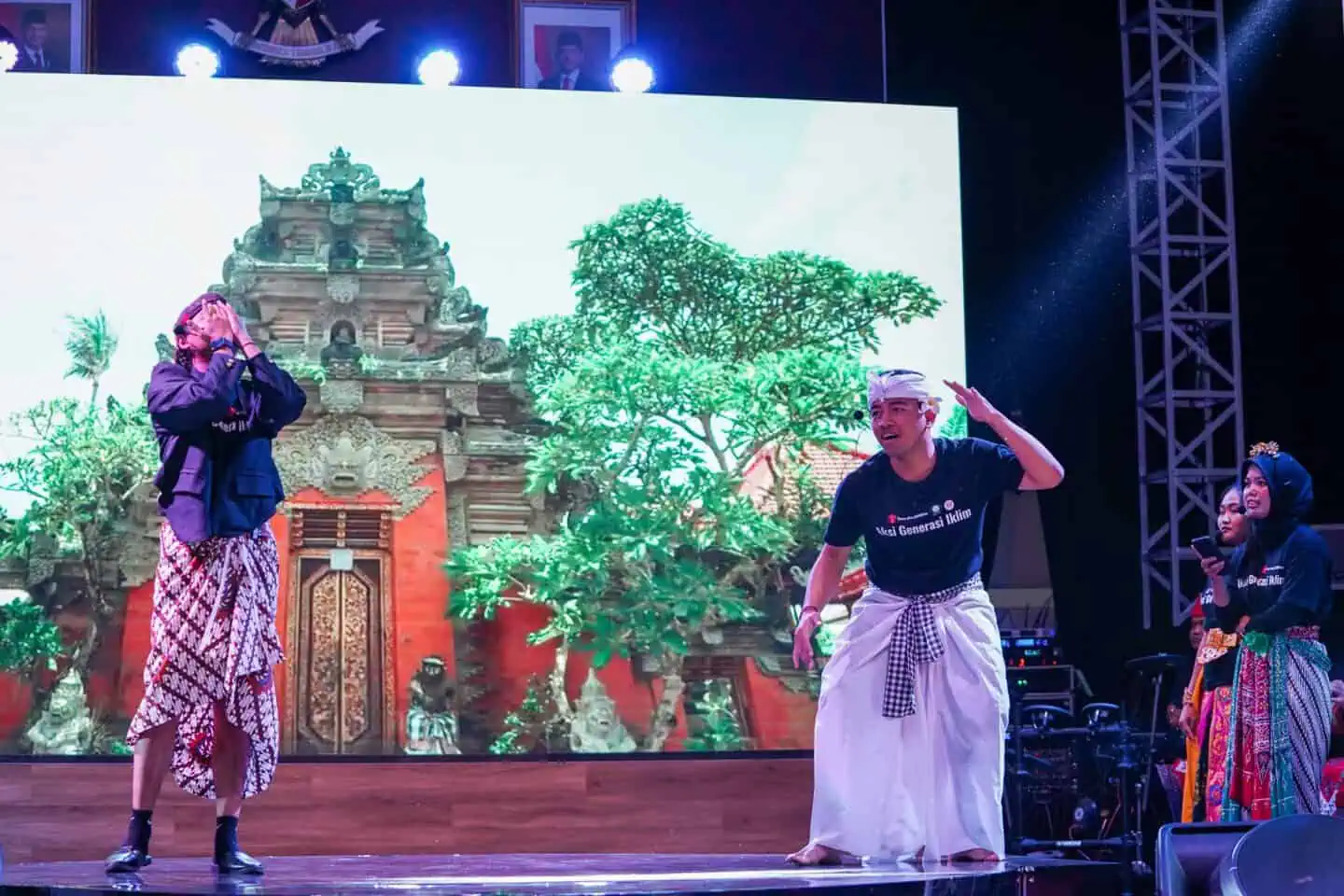
“Yesterday’s Festival Aksi Generasi Iklim campaign was a very strategic meeting space. We call it a celebratory momentum. Celebrating does not mean having fun and forgetting all suffering. It is a moment to meet, show solidarity, unite voices, build movements, and act together,” said Doni.
Doni’s interest in the climate crisis began with a change in residence. Initially living in a village, he moved to the city for studies. Differences such as higher temperatures and the cost of clean water made Doni think critically about natural conditions. After attending a Save the Children workshop, Doni became active in climate crisis campaigns in Bali and participated in Jakarta on a national scale.
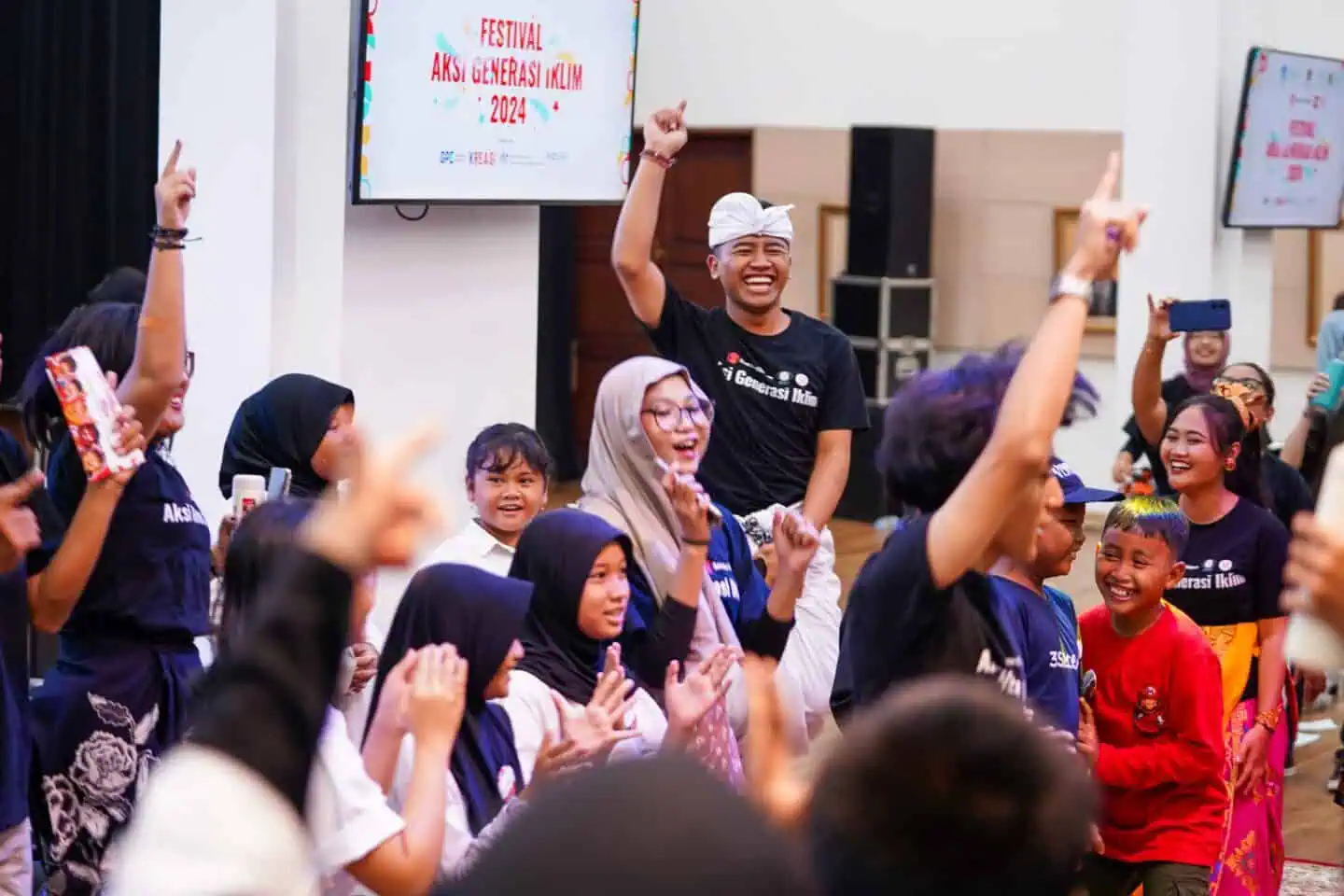
“If we have not felt the climate crisis, it does not mean we are free from it. It’s just a matter of time as we run out of time to make the climate crisis less likely. If we have empathy, it doesn’t take long to make us all move and do something,” Doni added.